This One is About My Pressure Cooker
Read to find out how my pressure cooker inspired me to be a better parter and psychologist
10/25/20253 min read
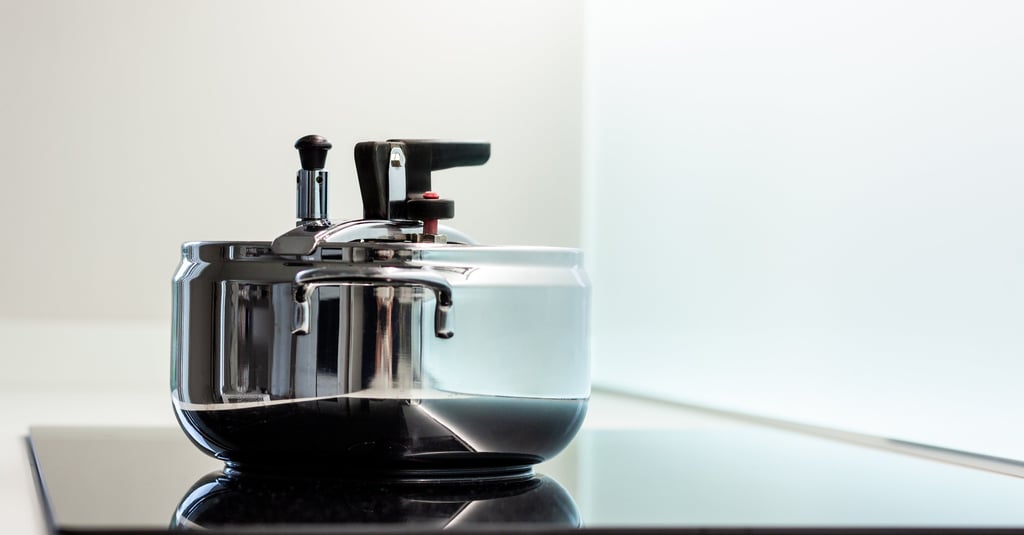
I got a pressure cooker for the first time in my life and honestly, I felt like I had discovered civilisation’s greatest invention, and that’s despite my passion and knowledge in digital cameras. The efficiency was almost suspicious. One evening, full of misplaced confidence, I decided to make my mum’s chicken soup. I chopped the vegetables, added the chicken, the seasoning, and filled the pot with water until it was just under the “maximum” line. Technically still safe. Technically. The recommended cooking time was twenty minutes, and I closed the lid with the kind of flair that made me feel as if I should be narrating my own cooking show. Then, proud of my domestic competence, I went off to play on my PlayStation while the pot hissed away in the background.
When the chime went off, signalling the end, I had two options: release the pressure manually, or let it come down naturally. There’s this little metal knob that tells you when it’s safe to open the lid, and mine was still stubbornly raised after half an hour. I was starving, and patience has never been my strong suit, so I thought, “It’s been long enough.” I turned the nozzle, something I’d done many times when steaming rice, and what followed was not steam. It was how Vernon felt when the owls delivered all the bloody Hogwarts letters on a Sunday.
The pressure cooker erupted like an overenthusiastic volcano, spraying chicken soup across every reachable surface for a solid five minutes, you know, like a life time. My smoke detector began shrieking, the walls were sweating broth, and I was in the centre of it all, desperately trying to protect my freshly washed dishes while waving a hand towel like a knight with a very flimsy shield. It felt briefly possible that I might actually die in this war.
When the chaos finally ended, the kitchen looked like I’d hosted an avant-garde food fight. But the soup, oh gosh, the soup smelled divine. I opened the lid carefully, and there it was, sitting there innocently, as though it hadn’t just destroyed my kitchen. I could’ve sworn it looked smug. So I ate it, as punishment. It was delicious.
Now, since this is a mental health blog, I suppose this is where you’d expect a moral. And you’d be right. The thing about that chicken soup is that it behaves a lot like emotions. Especially the kind we’ve been trained to keep contained. Life teaches many of us early on that showing feelings can be risky, that it’s safer to keep them sealed up, to hold everything in until the world feels safe enough to open the lid again. The problem is, by the time we start to trust, the pressure inside has been building for years.
So when someone finally begins to express those long-suppressed feelings, it can come out exactly like my soup did: loud, messy, uncoordinated, overwhelming. They might cry harder than expected, shout louder than intended, or say things that sound clumsy or too raw. And often, the people around them, like partners, parents, friends, react to the mess instead of what caused it. They focus on the splatter on the floor instead of the years of heat that built up underneath.
It’s tempting to judge the moment instead of the history. But emotional pressure doesn’t vanish neatly; it releases in unpredictable bursts. The first few times someone allows themselves to feel again, it’s rarely graceful. Yet this mess is part of the process. It’s the sound of the system learning to trust itself again.
For those opening up, it helps to remember that learning to regulate emotions is never about staying perfectly calm to start with. It’s about noticing when the pot’s too full, and knowing you’re allowed to turn down the heat before it boils over. For those witnessing it, whether you’re a partner, friend, therapist, or the accidental bystander, it means seeing past the steam. It means saying, “of course it’s messy, how could it not be?” It means setting boundaries, yes, but also understanding that behind the chaos is someone who’s finally letting themselves breathe.
Because eventually, the pressure does go down. The noise settles. The soup, once explosive, becomes soup again, rich, comforting, full of flavour. And that’s the moment you realise the mess wasn’t a failure. It was the first sign that something frozen inside was learning to move again.